Two stops on a Champlain-area outing without watching the clock all day
Put the timed event first, give the walk and doors their own time, and decide in advance when to drop the optional stop.
Put the timed event first, give the walk and doors their own time, and decide in advance when to drop the optional stop.
Check a venue address against the organizer’s notice and compare its street number, municipality, and public door before leaving.
Read a fictional event page without mixing its doors and travel instructions with a sportsbook promotion for adults displayed beside the schedule.
Turn a short schedule update into an itinerary you can follow. Record the old and new times and check what happens to doors and transport.
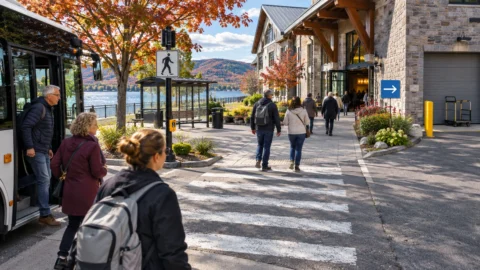
Plan the short walk after your bus or car arrives. Check the side of the street, a clear crossing, and the door named by the organizer.
Read a fictional foyer display for its sponsor credit, intended audience, and placement. Use the venue’s own notice to confirm entry and timing.
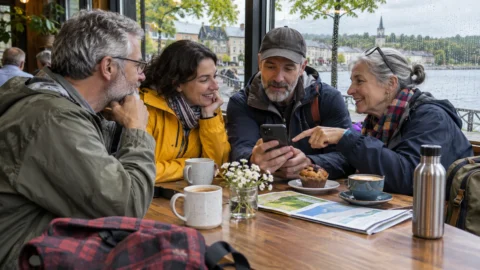
Build a fallback around one indoor stop and a clear switch time. Check which legs still work if showers change the original outing.
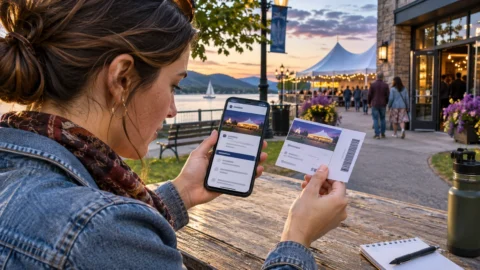
Compare the date, session name, doors, and start on a practice schedule and ticket. Find the discrepancy before changing your travel plan.
Compare a fictional bookmaker’s notice with a venue ticket. Check the sender and what each set of conditions applies to before planning entry.
Read a practice access notice for its dates, affected section and alternative route. Check what still needs an answer from the venue.